On this page
Intersectionality statement
Violence against women is driven by gender inequality, as well as other intersecting forms of inequality and discrimination.
Our Watch’s approach to primary prevention addresses both the gendered drivers, and the multiple intersecting systems of oppression and privilege, which affect women’s lived experiences, including their experiences of violence. An intersectional approach recognises that women are not a homogenous group, but live with multiple social identities and positions, each of which affects their exposure to harm, access to support, and barriers to safety.
Gender inequality, alongside racism, colonialism, classism, heteronormativity, cisnormativity, homo-, bi- and transphobia, ableism and ageism, shape the context in which violence against women occurs. These intersecting forms of oppression compound and amplify each other, affecting the prevalence and dynamic of violence against women, or how, when and why it occurs.
Intersecting forms of oppression are embedded in social and economic structures, social and cultural norms, and organisational, community, family and relationship practices. This means that prevention work must address all forms of discrimination, at all levels of society, to be effective in stopping violence before it starts.
Intersectionality in practice: Our key frameworks
Change the story: A shared framework for the primary prevention of violence against women in Australiarecognises that while gender inequality is a necessary condition for violence against women, it is not the only or necessarily the most prominent factor in every context. Violence against women is often experienced in combination with other forms of structural inequality and discrimination.
Examining how other forms of structural inequality and discrimination intersect with gender inequalities to exacerbate violence is necessary to effectively address the root causes of violence against all women, across the diversity of the Australian population.
The following resources and frameworks shape our approach to intersectionality in prevention practice:
- Changing the picture: A national resource to support the prevention of violence against Aboriginal and Torres Strait Islander women and their children highlights that violence against Aboriginal and Torres Strait Islander women is shaped by both gendered factors, racism and the ongoing impacts of colonisation.
- Changing the landscape: A national resource to prevent violence against women and girls with disabilities describes the intersection of gender inequality and ableism as the driver of violence against women and girls with disability.
Our Watch also has specific projects underway to address the drivers of violence against LGBTIQA+ communities, and women from migrant and refugee backgrounds.

3 resources in this collection
Changing the picture outlines the actions to address the drivers of violence against Aboriginal and Torres Strait Islander women.
29 resources in this collection
Changing the landscape is a guide to the prevention of violence against women and girls with disabilities.
Working in partnership
Our Watch works closely with our governments, businesses, schools, universities and TAFEs, sporting associations, community organisations and other organisations and industries to prevent violence against women.
While we know that collaborative work can be effective and transformative, we also know that within these working relationships, there are power dynamics that we must examine and address. We aim to work in a way that is collaborative, transparent and accountable, and engage in reflective practice to highlight the role that power dynamics, privilege and oppression play in our partnerships and collaborations.
As Our Watch has grown and the nature of our work has evolved, we are deepening our understanding and challenging ourselves with how we can best apply an intersectional approach, to ensure our work is culturally safe and responsive.
Related
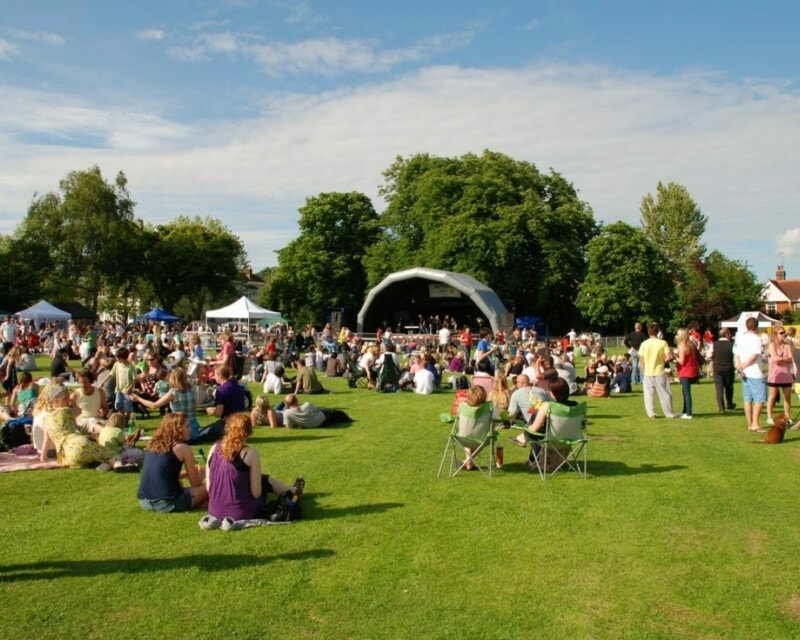
How to stop violence against all women, including Aboriginal and Torres Strait Islander women, LGBTIQA+ people, migrant and refugee women, women with disabilities and older women.
Our Watch’s actions in 2024 to prevent violence against Aboriginal and Torres Strait Islander women and their children.
4 resources in this collection
Change the story publications and videos outline the actions needed to address the underlying drivers of violence against women.