Helping young people navigate the manosphere
5 minutes

Many parents are noticing changes in the online world their young people are growing up in.
Some online content encourages confidence, personal growth and connection. Other content promotes harmful messages about women, relationships and what it means to be a man.
Parents and carers can help young people think critically about these messages and support them to develop healthier expectations about relationships, equality and respect.
The manosphere is a broad collection of online communities, influencers and content creators who talk about men, masculinity, dating and relationships.
Not all content in the manosphere is the same. However, many manosphere communities share ideas that blame women for men's problems, encourage hostility towards women or promote unhealthy ideas about relationships and gender.
These messages can appear as:
Young people may be exposed to this content in many different ways, including on social media, in gaming communities and on video platforms.
They often first come across this content through ordinary interests such as fitness, sport, confidence or financial advice.
Over time, social media and digital algorithms can recommend increasingly extreme content that promotes narrow ideas about masculinity and negative attitudes towards women.
Because the shift often happens gradually, young people may not realise how these messages are influencing their thinking.
Read a research summary on young people, online worlds and respectful relationships education.
You can help them question harmful ideas, think critically about what they're seeing and build positive expectations about relationships and respect.
Messages about gender, relationships and power can influence how young people think about themselves and treat other people.
Over time, repeated exposure to these ideas can shape what young people come to expect from relationships, how they behave towards others, and what they see as acceptable behaviour.
When harmful messages about gender, power and relationships go unchallenged, they can contribute to attitudes that excuse disrespect, inequality and harmful behaviour.
Exposure to misogynistic online content has been linked to increased sexist language, hostility towards girls and women, and disrespectful behaviour.
Helping young people question these messages can support healthier relationships and help prevent the attitudes and behaviours that contribute to gender-based violence.
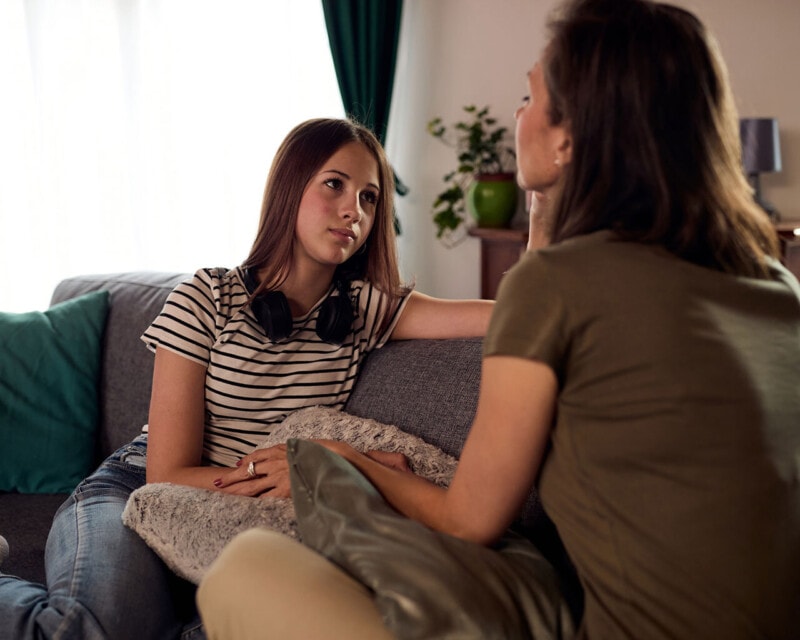
Ask about the content your young person is watching, the influencers they follow or ideas they have encountered online.
You could ask:
‘What do you like about this person?’
‘What are they trying to convince people of?’
‘What problem are they saying they can solve?’
‘Who are they blaming for that problem?’
‘How does this message make you feel?’
‘Do you think it's fair?’
‘Who benefits if people keep believing this?’
Try to understand what appeals to your young person before jumping in with your own view.
These conversations don't need to be perfect and they don't need to happen all at once.
Every conversation is an opportunity to help your young person question harmful ideas, think critically about what they're seeing online and know they can come to you when they need support.
You don't need to work through every question or have a perfect response ready.
Start by listening. Try to understand what your young person finds appealing, interesting or frustrating about the content before sharing your perspective.
These tips can help you keep the conversation open while still being clear about respect and equality:
Practical advice to help young people navigate peer pressure, social situations and harmful attitudes while building respectful relationships.

Practical advice for parents and carers to help young people understand respect, equality and healthy relationships.