Helping young people navigate consent
4 minutes
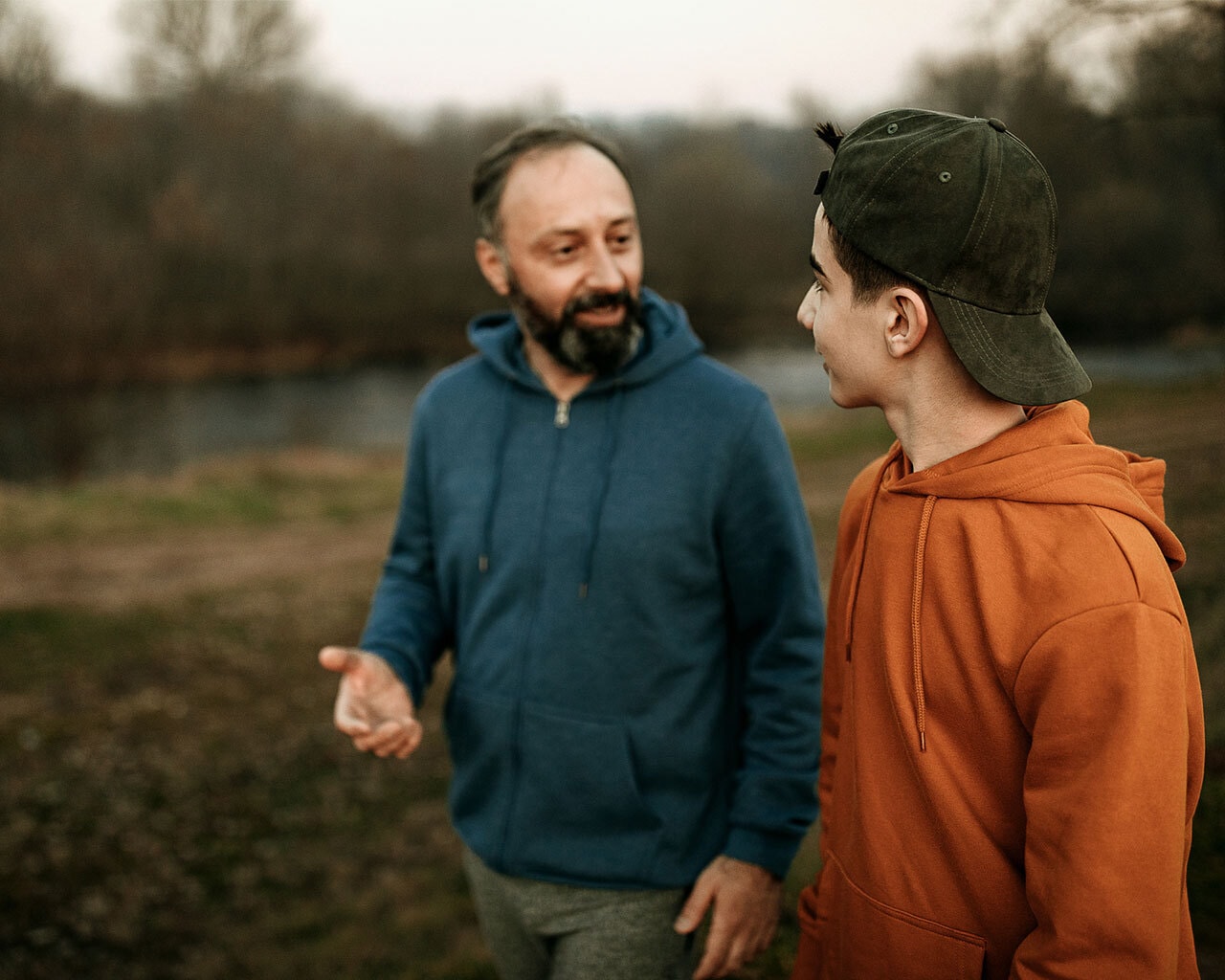
Consent is an important part of building respectful relationships. Parents and carers can help young people develop these skills through everyday conversations and experiences.
Many parents think consent is only something to discuss when talking about sex. But consent is really about communication, respect and choice. Young people use these skills every day when they set boundaries, listen to other people and make decisions together.
Learning about consent helps young people understand what healthy relationships look like. It also helps them recognise disrespect, pressure and controlling behaviour when they encounter it.
Everyone has the right to make choices about their own body, feelings, time and personal space. Respecting those choices is part of every healthy relationship.
Young people don't learn about consent from one conversation. They learn about it through everyday experiences.
Asking before borrowing something. Respecting someone's personal space. Checking before sharing a photo. Accepting when someone changes their mind.
These moments help young people develop the skills they need to communicate clearly, respect boundaries and build positive relationships.
Respecting boundaries, listening to others and accepting 'no' are all part of learning about consent.
Young people are exposed to lots of messages about relationships, consent and gender.
Some messages are positive. Others can suggest that:
These messages can shape what young people expect from relationships.
Parents and carers can help young people question these ideas and develop healthier expectations.
Your young person is learning about consent from the world around them. You can help them make sense of those messages and build positive expectations about relationships.
Consent is about more than hearing ‘yes’ or ‘no.’ It's about listening, checking in and paying attention to how someone is responding.
Consent should be:
Freely chosen – nobody is pressured, manipulated or threatened.
Mutual – everyone's choices and boundaries matter.
Informed – people understand what they're agreeing to.
Ongoing – people keep communicating and checking in.
Specific – agreeing to one thing doesn't mean agreeing to something else.
Able to change – people can change their minds at any time.
A person cannot consent if they are asleep, unconscious or too affected by alcohol or other drugs to understand what is happening.
Young people may experience pressure from a partner or others to engage in sexual activity they do not want or are not ready for. This can make it harder to understand what they want, communicate their boundaries and respect the choices of others.
Sexual pressure can look like persistence, guilt-tripping, manipulation or making someone feel responsible for another person's feelings.
Someone may eventually say ‘yes’ because they want the pressure to stop, but that's not the same as choosing freely.
Pressure can include:
Feeling pressured can make it difficult for someone to say or do what they really want.
Helping young people recognise pressure can help them better understand consent, boundaries and respect.
You don't need one perfect conversation about consent.
Look for natural openings in everyday life:
You could ask:
'How can you tell if both people genuinely want something?'
'What makes a relationship feel respectful?'
'What should someone do if the other person seems unsure?'
'What does it mean to respect someone's boundaries?'
These conversations help young people think critically and practice relationship skills they can use throughout life.
Talking about consent doesn't have to be awkward or formal.
Lots of small conversations over time are often more effective than one big talk.
You can help your young person learn about consent through everyday interactions. Try:
These everyday interactions help young people understand what respect, choice and consent look like in practice.

Practical advice for parents and carers to help young people understand respect, equality and healthy relationships.

Practical advice for parents and carers to help young people understand respect, equality and healthy relationships.