Helping boys navigate expectations about being a man
5 minutes
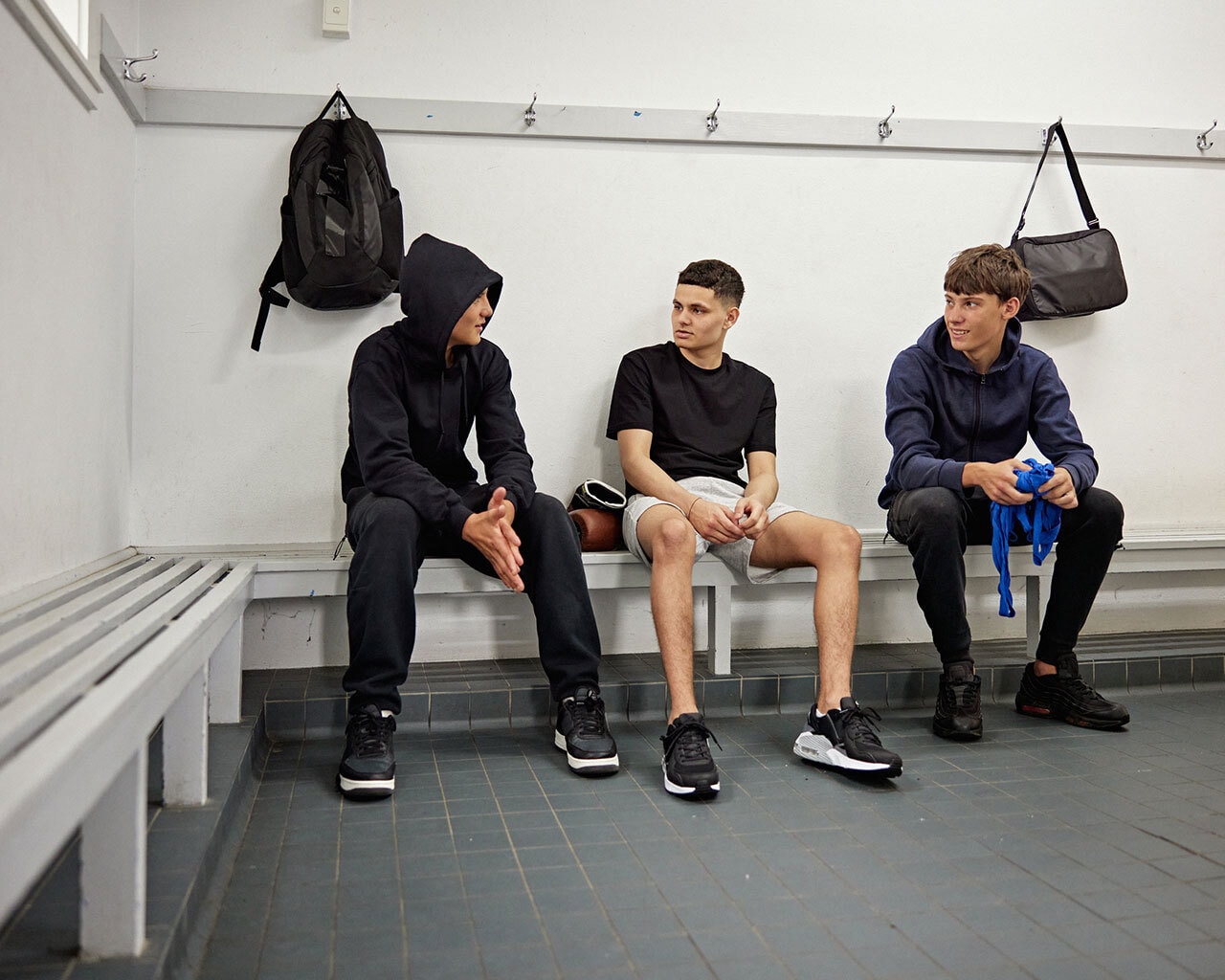
Most parents want their son to grow up feeling confident, respected and able to build positive relationships.
Boys receive a range of messages about what it means to be a ‘real man.’ Some are healthy and some are harmful.
There is nothing wrong with being a boy or taking pride in being a man. The problem is the pressure to fit one narrow idea of manhood.
When boys grow up with flexible expectations of how to be a man, they are more likely to be happier and healthier, with greater freedom to express themselves, seek support and build positive relationships.
Many boys are already challenging narrow ideas of what it means to be a man and finding positive ways to express who they are.
Parents and carers can support them by creating safe spaces to reflect, talk openly and be themselves.
Boys can be:
Boys pick up ideas about being a ‘real man’ from many different places, including family, friends, school, sports, role models and online spaces. They may be told, directly or indirectly, to be tough, hide their feelings, stay in control, never appear vulnerable and avoid anything seen as feminine.
Sometimes the messages are obvious. You might hear things like: ‘man up', ‘don't be a girl’ or ‘boys don't cry’.
Other times, the messages are more subtle. A boy might get praised for being tough or aggressive but teased for showing emotion.
Over time, these experiences shape what boys believe is expected of them.
Restrictive ideas about how to be a man can limit boys' choices and affect their wellbeing.
These messages can shape how boys think about girls, women, power and relationships. They can contribute to attitudes that excuse disrespect, control and inequality.
Helping boys question these expectations gives them more freedom to be themselves. It also makes it clear that women and girls deserve the same respect, choices and opportunities. Both matter for building equal relationships and preventing gender-based violence.
You don't need a formal talk.
Look for opportunities that come up naturally:
Start by asking what they think. Try to stay curious and focus on exploring ideas together.
You could ask:
‘What do you think makes someone a good man?’
‘Where do people learn these ideas about being a man?’
‘Do boys and girls face different expectations?’
‘What happens if someone doesn't fit those expectations?’
‘Which men do you admire and why?’
‘What qualities do you respect in other people?’
Listen for what matters to your young person rather than trying to persuade them immediately.
The goal is to question harmful messages, not make your young person feel judged for repeating or being interested in them.
You don't need to work through every question at once.
Short, ongoing conversations often have more impact than one big discussion.
Read advice for young people on taking accountability for mistakes on The Line.

Help young people recognise and question misogynistic messages online and build the confidence to respond with respect.

Practical advice for parents and carers to help young people understand respect, equality and healthy relationships.