Presenters

Matthew Brierley
Matthew (he/him) is an asset management leader, gender equality advocate, author and PhD candidate at Edith Cowan University.
He has held senior leadership roles across engineering, resources and other male-dominated industries, where he has worked to build safer, more inclusive workplace cultures. Matthew is the author of Please Don’t Tell Me to Man Up and a former recipient of the WiTWA Outstanding Diversity Ally Award.
His doctoral research explores how men engage in gender equality initiatives, including the organisational conditions, language and relationships that support meaningful participation. He brings a practical, reflective approach to helping men move from awareness to action.
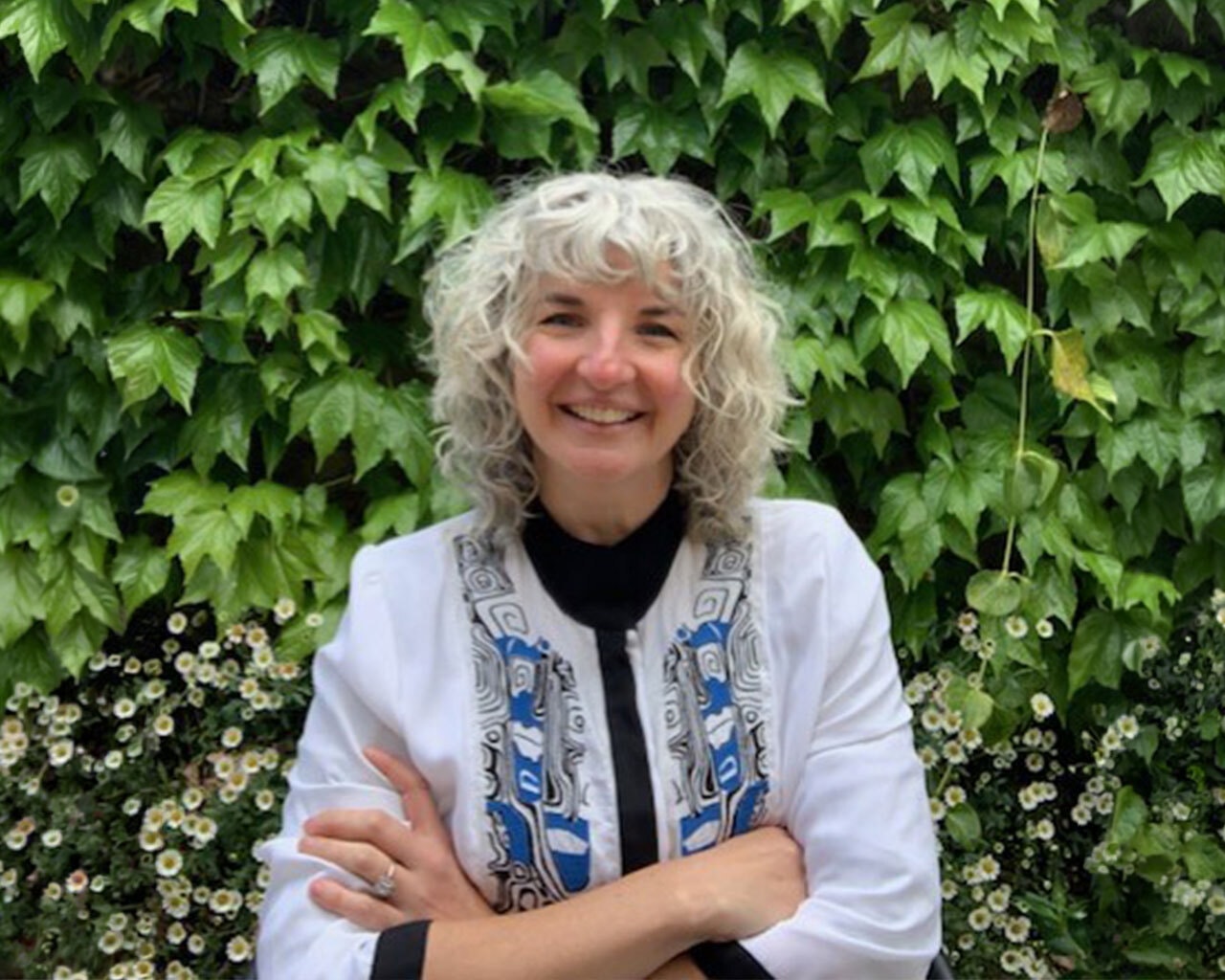
Melanie Fineberg
Melanie (she/her) has more than two decades of global experience in marketing and communications and is passionate about using her skills to have a positive impact on people’s lives.
She has held senior strategic and leadership positions and has delivered campaigns on a range of issues - including road safety, workplace safety, health promotion and gendered violence prevention. These days she finds career fulfilment working as a consultant, helping others to plan, create, deliver, and measure work that works.
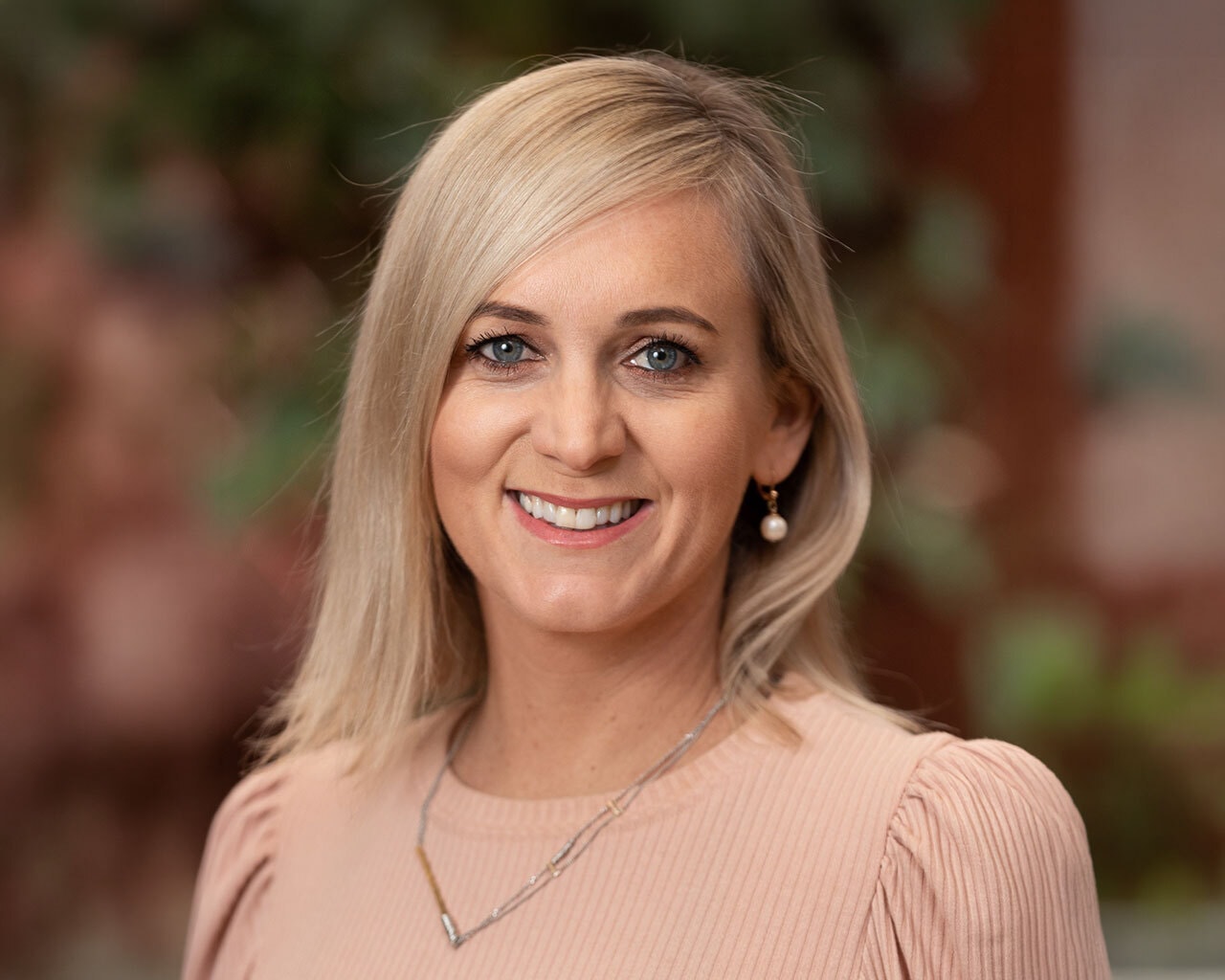
Amy Hofman
Amy (she/her) leads strategic communications and engagement work at the intersection of evidence, communication and social change, with a particular focus on gender equality and the prevention of gender-based violence.
With experience across government, not-for-profit, social impact and private sector environments, she works with organisations and partners to communicate complex social issues in ways that are meaningful and actionable for different audiences.
Her work brings together evidence, diverse perspectives and lived experience to support gender equality, behaviour change and more inclusive organisational and community environments.
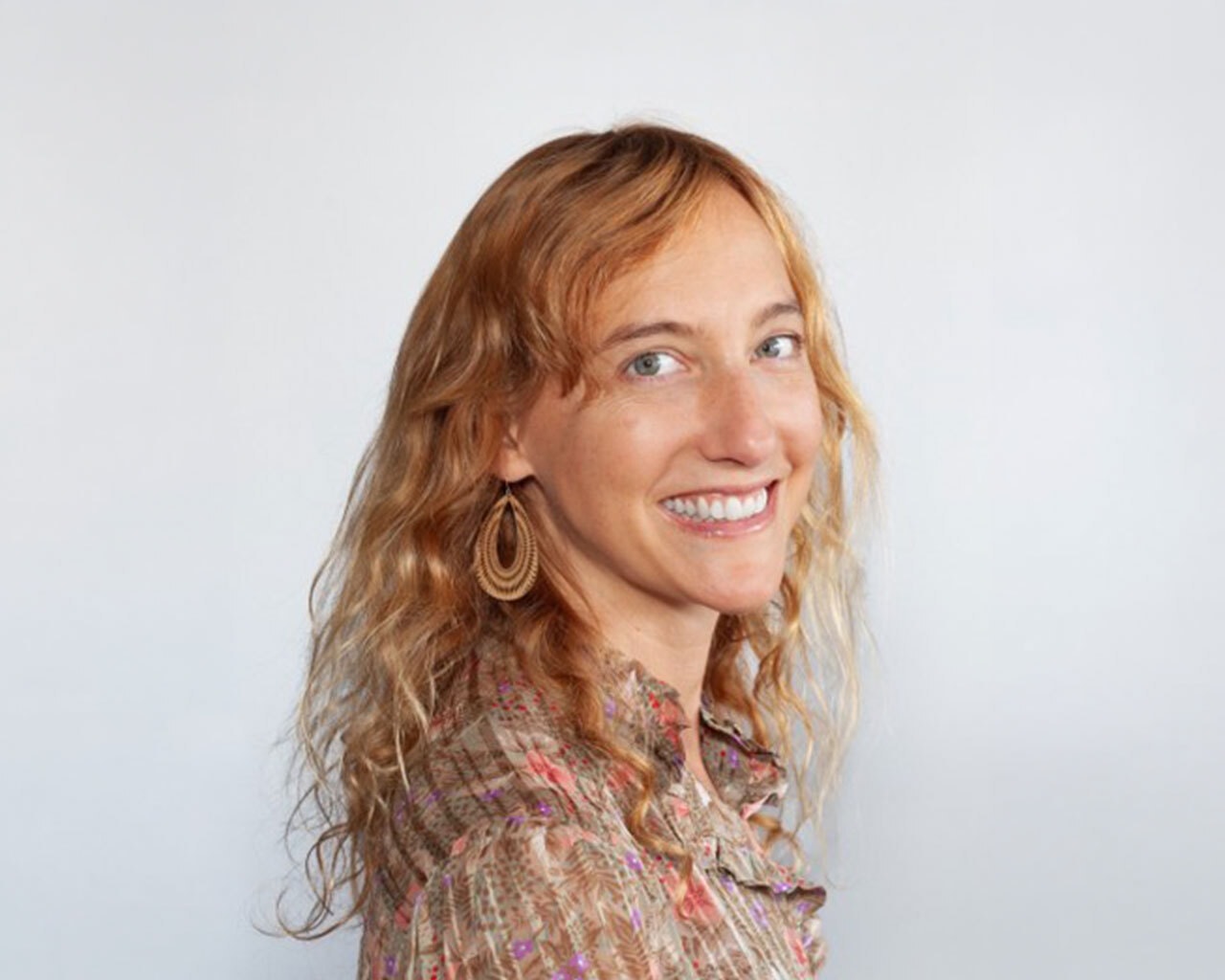
Rhea Favero
Rhea Favero (she/her) is a senior communications advisor at Our Watch, working at the intersection of communications, storytelling and social change.
With experience across the not-for-profit, sustainability, youth development, publishing and arts sectors, she is passionate about creating communications that foster inclusion, inspire action and contribute to greater gender equality.
Read before the event

8 resources in this collection
Find templates, tools and other resources to support TAFEs to prevent gender-based violence.

Find a whole-of-TAFE approach to preventing gender-based violence.

4 resources in this collection
Change the story publications and videos outline the actions needed to address the underlying drivers of violence against women.