Building respect at home
3 minutes
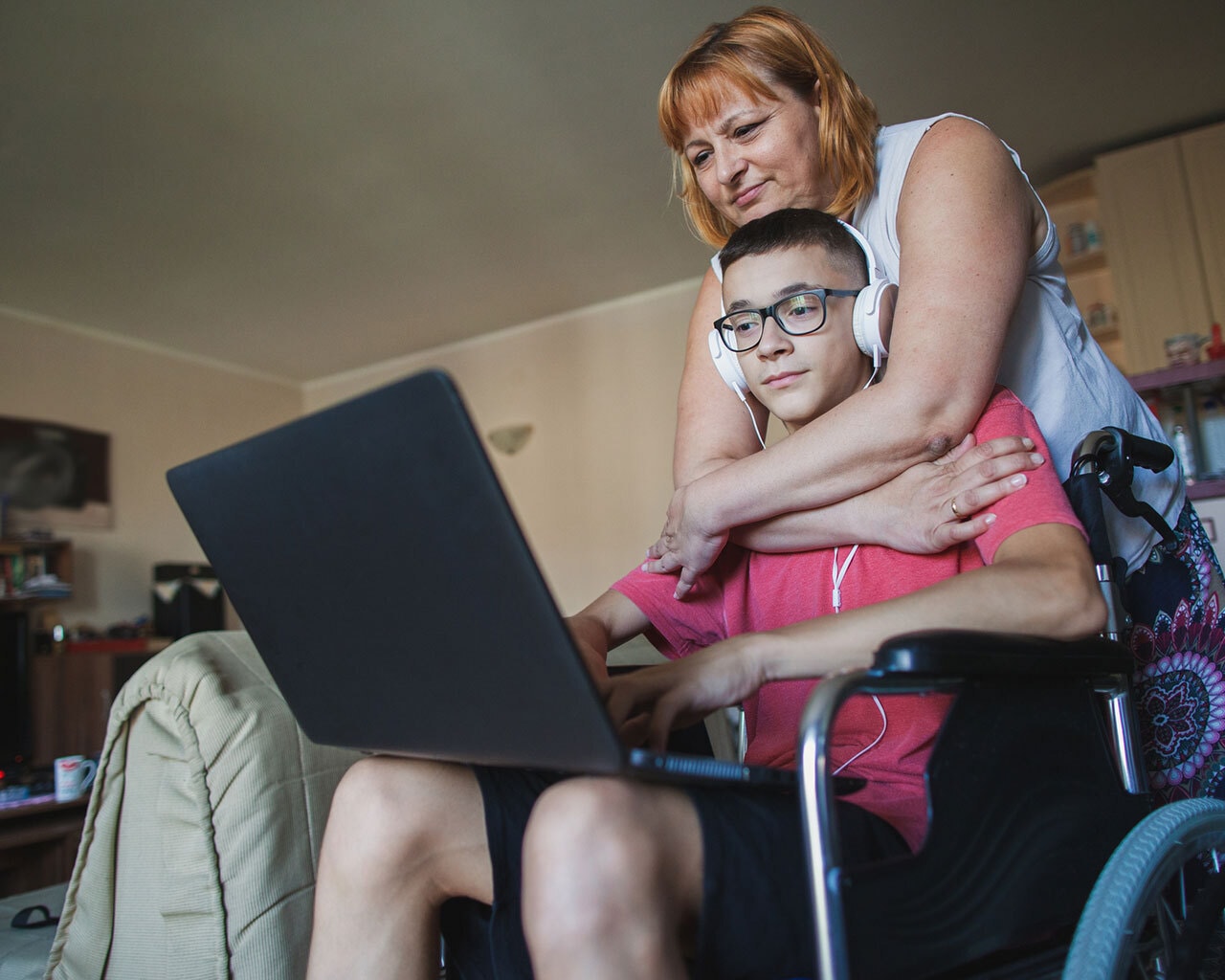
There is no perfect formula for raising teenagers.
Most parents and carers are doing the best they can while juggling work, family life and the everyday challenges of parenting.
The good news is that building respect at home doesn't require special training or perfect conversations. Small, everyday interactions can have a powerful impact on how young people understand relationships, communication, boundaries and respect.
Young people learn about relationships from the people around them.
They notice:
These everyday experiences help shape what young people expect from friendships, family relationships, dating relationships and the wider world.
The way respect is modelled at home helps young people understand what they should expect from other people and how they should treat others in return.
You don't need to wait for a serious conversation.
Some of the best conversations happen while:
Research shows young people value ongoing conversations about relationships, emotions and communication, rather than one big talk.
Many small conversations over time are often more effective than one big conversation.
When young people come to you with a problem, it's natural to want to fix it.
But sometimes what they need most is to feel heard. Try:
When young people feel heard and understood, they are more likely to keep coming to you when they need support.
Young people spend a lot of time navigating online spaces. Showing interest in their online world can help keep communication open.
Instead of immediately judging or correcting, try asking:
'What do you think about that?'
'Why do you think someone posted it?'
'How do you think that might affect other people?'
'What messages do you think it's sending?'
These conversations help young people develop critical thinking skills and make sense of the messages they encounter.
Respecting boundaries teaches young people that everyone's choices matter.
This might include:
These small moments help young people understand what respect looks like in practice.
Look for opportunities to discuss messages about what girls and boys are 'supposed’ to be like.
You could ask:
'Do you think that's fair?'
'Would we expect the same thing from someone else?'
'Why do you think people believe that?'
'What other ways could someone respond?'
These conversations help young people recognise and challenge harmful stereotypes before they become deeply embedded.
Respectful behaviour often goes unnoticed while mistakes attract attention.
Take the opportunity to acknowledge it when you see your young person:
Naming positive behaviours reinforces the values you want to encourage.
No parent gets it right all the time.
What matters isn't being perfect. It's being willing to apologise, take responsibility and try again.
A simple apology can teach powerful lessons about accountability, repair and respect.
Young people don't need perfect parents.
They need trusted adults who keep listening, learning and showing up.

Practical advice for parents and carers to help young people understand respect, equality and healthy relationships.

Practical advice for parents and carers to help young people understand respect, equality and healthy relationships.